On this page
- Copyright and evidence in Australia
- Make the work’s versions easy to follow
- Build a chronology from supporting records
- Show who did what and what was agreed
- Record overseas details without making assumptions
- Capture possible copying in context
- How a dated certificate can support your file
- Check your records before responding
- Keep the record current
- Sources
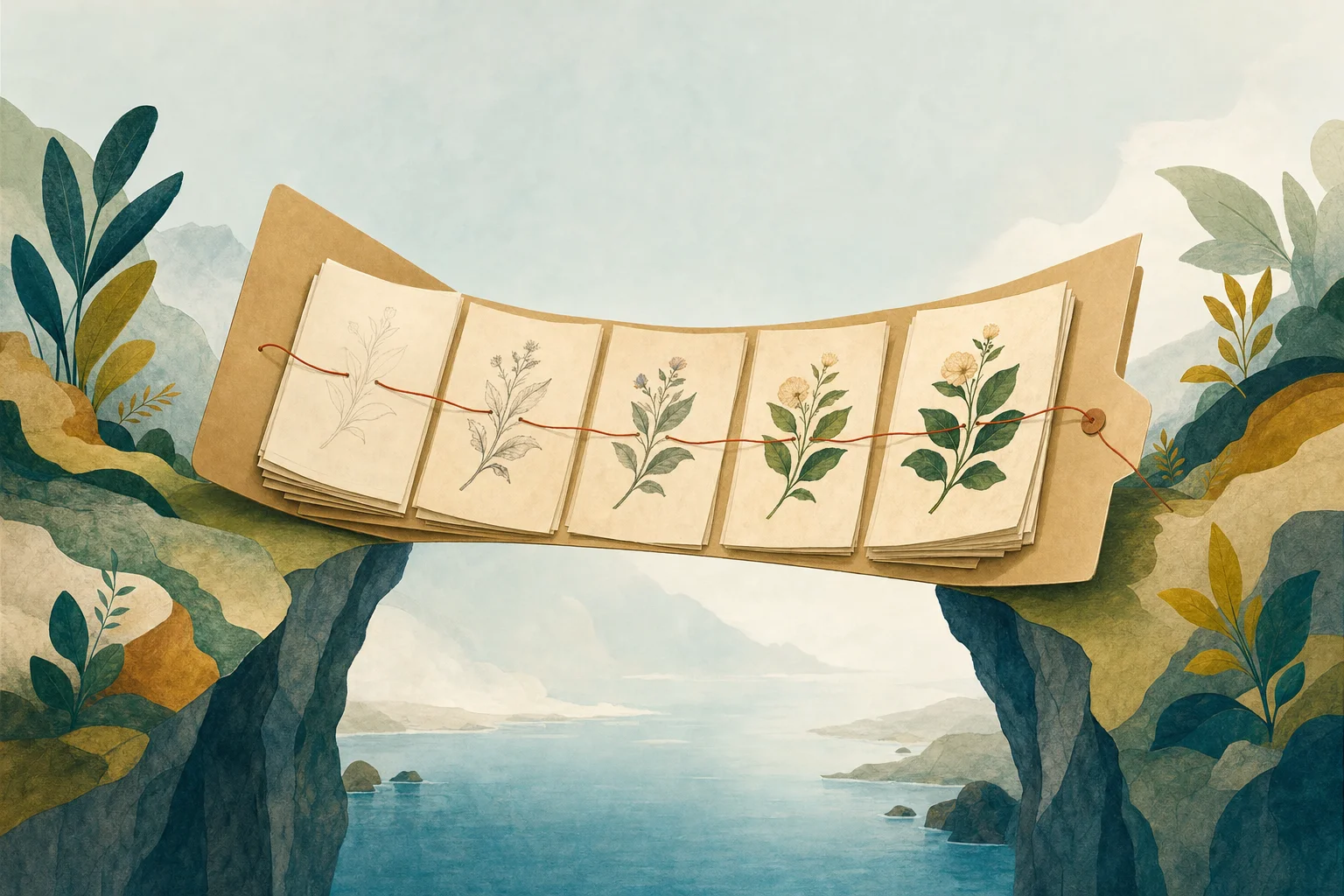
A connected record of creative versions, contributors and dates can help make a work’s history easier to explain.
Creative work can travel far from the desk where it began. If a client queries a design, your image appears on another website or a passage resembles your writing, organised records can help you explain what you made and when.
Set up a file for each work, or for a clearly defined collection. Give it a short index and link each important version to the people, agreements and events associated with it. The aim is a coherent history, not simply a folder full of files.
Copyright and evidence in Australia
In Australia, copyright protection for an original work begins automatically once it exists in material form, such as when it is written, recorded or otherwise fixed. There is no government copyright register, and a filing does not create the right. Keeping evidence of who created the work and when it existed is your responsibility.
A dated filing with an independent third party can help support your account of authorship and timing. It is evidence, not a substitute for copyright protection. A bare idea is not protected: copyright applies to the way you express it, so write the project down in detail and keep a dated record.
Make the work’s versions easy to follow
Keep the original working file as well as a copy that is convenient to view. Depending on the project, preserve drafts, sketches, raw photographs, recordings, research notes or version histories. Keep preserved originals separate from edited copies made for comparison or presentation.
Label key versions consistently and note which one was delivered, published or deposited. For example, keep both an early illustration and the later version prepared for a client. Add a short note about your creative contribution and identify any third-party material used with permission.
Build a chronology from supporting records
List the significant stages of the work: drafting, completion, delivery, first publication, revisions and deposit. For each event, record what supports the date, such as a message, delivery receipt or publication record. Include time-zone information when available.
Keep the exact deposited file with its dated certificate. If you make a substantial revision later, retain the earlier version and consider depositing the new one separately. Describe the dates carefully: a deposit records when that version was filed; it does not automatically verify a claimed earlier creation date.
Show who did what and what was agreed
Note each contributor and the elements they worked on. Keep relevant correspondence, employment documents, contributor agreements, assignments and licences together for review. Do not assume a payment or transfer of a file settles who owns the rights.
If you give someone permission to use your work, keep the agreement with the version supplied. Record which material it covers, the permitted uses, territory, duration and any exclusivity terms. Flag missing documents or unclear wording for attention.
Record overseas details without making assumptions
Save verifiable information about the parties, contracts, publication arrangements and places where you observed the work being used. Keep relevant website terms and licensing correspondence. Mark unknown facts as unknown; a domain name alone does not tell you where a website’s server is located.
For a lawyer, prepare a short factual summary covering who created the work, who claims the relevant rights, what use you observed, and when and where you saw it. Ask what further records or preservation steps may be suitable before making a demand or beginning proceedings.
Capture possible copying in context
If you find a suspected unauthorised use, note the full web address, capture date, relevant account and surrounding page. Keep an untouched capture separately from any annotated comparison, and identify the specific parts that appear to match your work.
For an AI response, retain the full prompt and response, session context, date and any product or model identifier shown. Describe what you observed rather than treating a similar result as proof of a particular training source. Preserve only material you can access lawfully, without bypassing access controls.
How a dated certificate can support your file
Copyright-Australia.com lets creators deposit work online and receive a dated certificate. Keep the certificate beside the exact deposited version, drafts and other authorship records so they form a connected record of the work’s history.
A certificate supports evidence; it does not create copyright. It is not an official government registration, conclusive proof of authorship or a guarantee of a legal outcome. Its evidentiary value depends on the applicable rules and circumstances, so treat it as one reference point within your wider file.
Check your records before responding
Before alleging infringement, check who holds the relevant rights, what permissions apply and whether an exception may be relevant. Keep what you observed separate from your legal conclusions. Consider getting advice about the applicable law, deadlines and possible responses, and preserve the material before asking for it to be removed.
- Can another person find each item mentioned in your chronology?
- Are original records kept apart from edited comparisons?
- Have you identified missing documents and uncertain details?
- Is a secure backup available to the people who need it?
Protect your work with a dated deposit through Copyright-Australia.com’s copyright deposit service. Keep the certificate with the version you submitted and the records that help show its history.
Keep the record current
Organise your evidence as the project develops, rather than waiting until a question arises. A clear chronology, contributor records and dated certificate can help you explain your authorship, review permissions and seek informed advice when your work is used across borders.
Sources
Article written with the assistance of AI. General information, not legal advice.