On this page
- Make every image easy to identify
- Keep credits and dates clear
- Protect the history behind the finished image
- Copyright and image records in Australia
- A quick collection check
- Sources
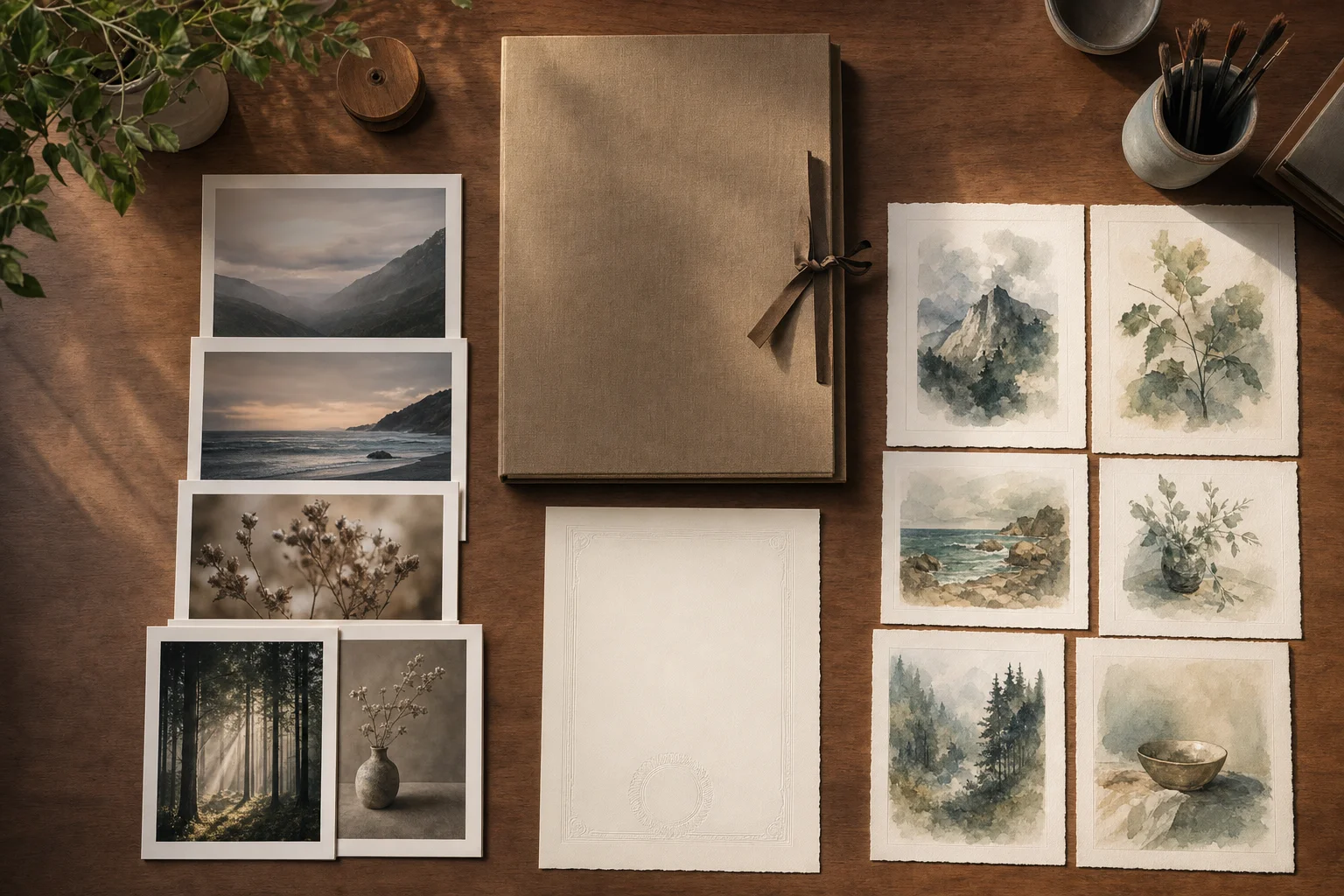
An organised collection links each image to its creator, version and supporting records.
When you need to explain where an image came from, a folder of finished files may not tell the whole story. A useful record links each photograph or illustration to its creator, version and relevant dates.
You can build that record as part of your normal workflow. Start with an inventory, keep supporting files, and make sure the copy you deposit can be matched to the details in your records.
Make every image easy to identify
Give each collection a clear name and scope. It might cover one photography assignment, a group of commissioned illustrations or a defined stage of a project. List every included work in an index, with its description and exact filename.
Use a consistent naming pattern that includes an item identifier and version, such as coast-study_photo_014_v02.jpg or coast-study_illustration_006_v01.png. These are examples, not required formats. Avoid vague labels such as “final” that may become confusing when you create another version.
Keep photographs and illustrations easy to distinguish, and make it clear when a collection includes work by different creators. If one project has several batches, note how they relate instead of relying on similar folder names.
Keep credits and dates clear
For each item, note the creator, the credit they prefer, the current rights owner and any relevant agreement. Keep authorship and ownership in separate fields so that changes can be tracked. For collaborative work, record each person’s contribution and keep related contracts and permissions with the project files.
Record completion, first publication where relevant, and deposit as separate dates. Keep material that supports an earlier creation date, such as sketches, camera originals, working files or correspondence. If you are uncertain about a date, make that clear rather than presenting an estimate as confirmed.
Also note where and how an image was released, with any supporting records. If you later need to complete an official form, follow its instructions about publication status rather than assuming every upload, delivery or display is treated alike.
Protect the history behind the finished image
Retain original photographs, layered illustration files, sketches and relevant correspondence alongside finished exports. Before making a deposit, check that every file in the index is present, opens correctly and matches the version described.
Keep the submitted files unchanged, together with their index and dated certificate. If you make substantial revisions, identify the new version separately and preserve the earlier one. Backups help keep the collection’s history available.
Copyright and image records in Australia
In Australia, copyright protection for an original photograph or illustration begins automatically once it exists in material form. The Copyright Act 1968 protects the work when it is written, recorded or otherwise fixed; there is no official copyright register, and a deposit does not create copyright.
A dated record can help you establish who created a work and when it existed. A filing held by an independent third party provides evidence of the date recorded, while drafts and source files may help support an earlier creation date. Copyright protects the expressed image, not the idea behind it.
For a book or song, copyright generally lasts for the author’s lifetime plus 70 years from the end of the year they died. The term was extended from 50 to 70 years on 1 January 2005; works by authors who died before 1955 were not brought back into copyright and remain in the public domain.
A quick collection check
- Give the collection a distinct name and scope.
- Match every file to an entry in the index.
- Record creators, credits and rights owners separately.
- Keep completion, publication and deposit dates distinct.
- Preserve source files, supporting records and relevant agreements.
- Store the deposited version, index and dated certificate together.
Build a clearer record of your image collection with a dated deposit through our photo registration service. You can also explore copyright deposit options for your work.
Sources
Article written with the assistance of AI. General information, not legal advice.